
Key Takeaways
- Falls are a leading cause of injury among seniors, often resulting from home hazards, health changes, and isolation
- Assisted living communities provide 24/7 support for seniors with trained staff and immediate emergency response
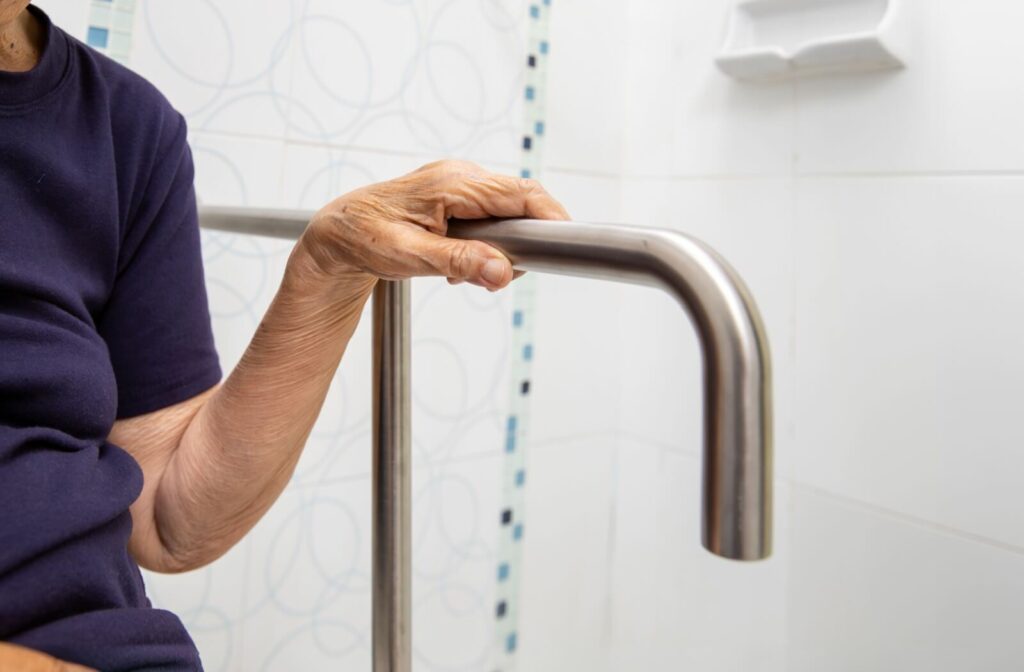
- Purpose-built environments include safety features like grab bars, nonslip flooring, and emergency call systems
- Active lifestyle programs help maintain balance and strength to improve balance and reduce fall risks
- Professional medication management and health monitoring can help address the underlying causes of falls
Fall Risks for Seniors
Falls are a significant concern for aging adults, often deeply impacting their confidence and independence as much as their physical health. For those living alone, isolation can increase these risks and make it difficult to receive the timely help they deserve.
Assisted living is designed to change that. At Oak Ridge Senior Living, we offer a comprehensive approach to fall prevention that combines a purpose-built, safer environment with proactive personal care.
By addressing both home hazards and individual health needs, we provide a secure foundation that reduces risks and restores peace of mind for the whole family.
Why Are Falls a Concern for Seniors and Families?
Several factors contribute to increased fall risks as people age. Medications can cause dizziness or drowsiness, while changes in vision and hearing affect spatial awareness. Muscle weakness and balance issues develop gradually, making everyday activities more challenging.
The impact goes beyond physical injuries. After experiencing a fall, many seniors develop a fear of falling again. Social isolation becomes more common as seniors limit their movement and avoid activities they once enjoyed.
Over 14 million adults aged 65 and older—about 1 in 4—report falls each year. These incidents result in emergency room visits, hospitalizations, and sometimes permanent disabilities that dramatically change a senior’s quality of life.
Safety Challenges of Aging at Home
While the comfort of a family home is powerful, traditional houses often hide risks that go beyond a simple trip or slip. When a home isn’t purpose-built for seniors, a single fall can trigger a devastating chain reaction.
Limited Access to Immediate Help
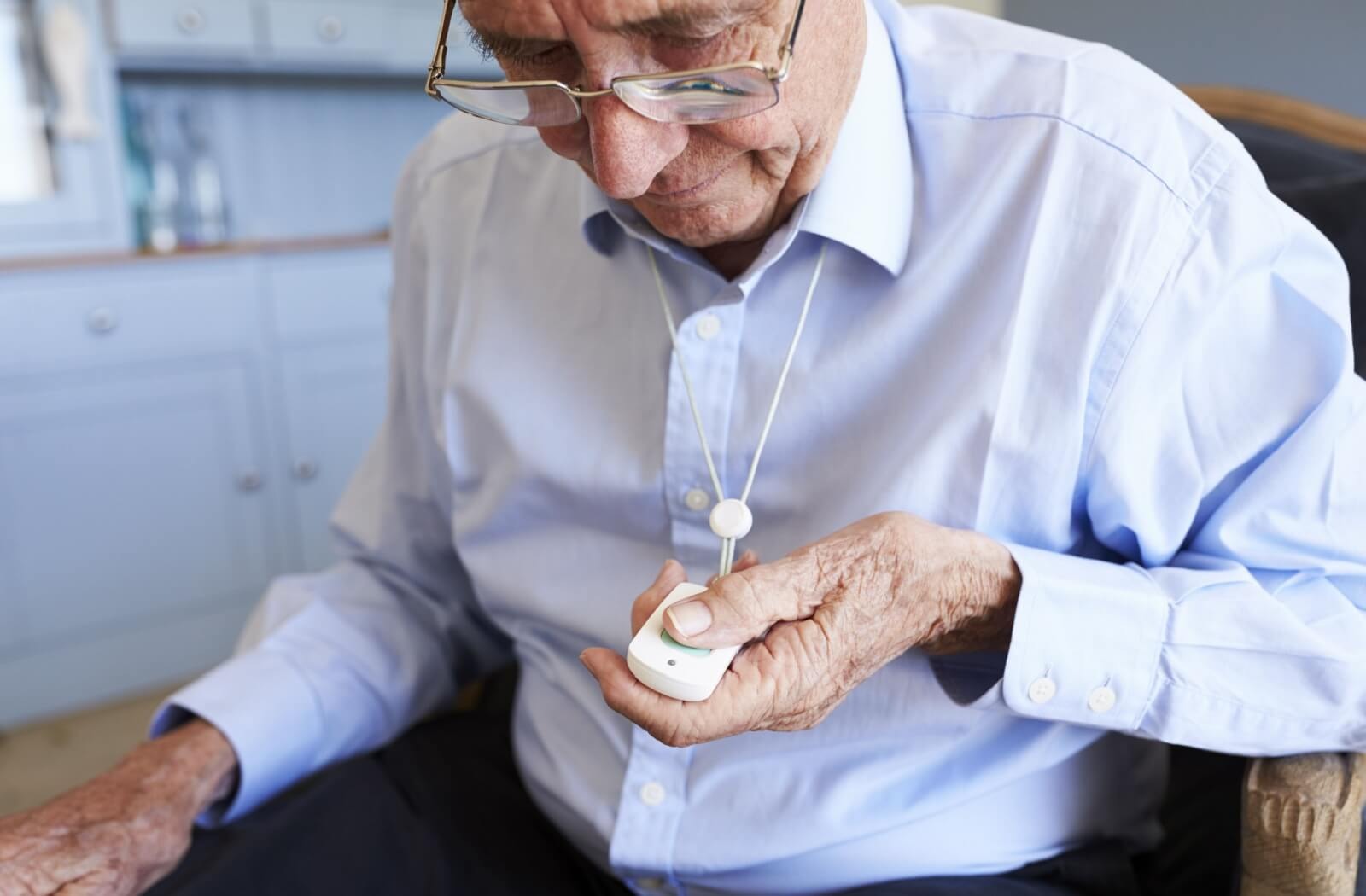
When seniors live alone, help may not arrive quickly during an emergency. Even with medical alert systems, response times can vary. Family members often live far away or have work commitments that prevent immediate assistance.
Without trained professionals nearby, minor incidents can escalate into serious medical situations. The delay between a fall and receiving help can significantly impact recovery outcomes.
Home Environments Not Designed for Senior Safety
Most homes weren’t built with aging in mind. Stairs become obstacles, and uneven surfaces create tripping hazards. Poor lighting in hallways and rooms makes navigation difficult, especially during nighttime bathroom trips.
Bathrooms present particular challenges with slippery surfaces and hard fixtures. Clutter accumulates over time, creating narrow walkways that increase fall risks. Simple modifications help, but they often fall short of comprehensive safety solutions.
The Risks of the “Long Lie”
The most significant risk of falling at home isn’t always the injury itself; it’s the “long lie” afterward—the time spent on the floor before help arrives. For those living alone, a fall can result in hours of waiting, which leads to serious secondary complications:
- Medical trauma, such as dehydration, hypothermia, or muscle breakdown
- Delayed recovery, with longer waits leading to more difficult physical rehabilitation
In assisted living, help is measured in minutes, not hours, preventing these life-threatening delays.
Fear of Falling
For many seniors, a single fall can lead to a fear of falling. The anxiety can result in a mobility loss cycle:
- Fear: A senior becomes afraid of a repeat incident or a worse fall
- Restriction: They stop walking, gardening, or visiting friends to “stay safe”
- Weakness: Inactivity can lead to rapid muscle loss and poor balance
- Higher Risk: The new weakness increases the risk of falls or injuries
When seniors get support that addresses their concerns, they can feel more confident moving independently and participating in activities they enjoy.
How Can Assisted Living Communities Help Reduce Fall Risks?
Round-the-Clock Professional Support
Trained staff members are available around the clock to provide immediate assistance when needed. Quick response times during emergencies can make the difference between minor incidents and major injuries.
Regular wellness checks help identify potential problems before they become serious issues.
Purpose-Built Safe Living Spaces
These communities feature strategically placed grab bars and handrails throughout common areas and living spaces. Nonslip flooring materials reduce slipping hazards, while bright lighting improves visibility in all areas.
Emergency call systems in every room connect residents directly to staff members. Wheelchair-accessible designs and open layouts eliminate many common obstacles that contribute to falls in traditional homes.
Active Lifestyle Programs
Balance and strength training classes help residents maintain physical abilities that prevent falls. Physical therapy programs address specific mobility concerns while wellness activities encourage regular movement.
Social activities naturally promote movement and engagement. Personalized exercise plans accommodate different ability levels, helping each resident stay as active and independent.
Specific Fall Prevention Measures in Senior Living
Motion-sensor lighting automatically illuminates pathways during nighttime hours. Secure furniture eliminates wobbling hazards, while clutter-free spaces provide clear walking paths. Nonslip mats in bathrooms and shower areas reduce slipping risks.
Regular medication reviews help identify prescriptions that may cause dizziness or balance problems. Vision and hearing assessments catch changes that affect spatial awareness.
Management of chronic conditions such as diabetes and heart disease can address underlying factors that contribute to falls.
Staff members provide guidance on proper footwear choices and help residents access mobility aids when needed. Regular assessments track changing mobility needs and adjust support accordingly.
Experience Proactive Fall Prevention at Oak Ridge Senior Living
Oak Ridge Senior Living provides personalized care and 24/7 support for seniors in thoughtfully designed environments that prioritize safety and independence. Our communities feature purpose-built spaces, active wellness programs, and professional staff trained in fall prevention.
Schedule a tour today to see how our comprehensive approach to senior care creates a safer, more fulfilling lifestyle for your loved one.